How to Reduce Your Carbon Footprint: Simple Changes That Add Up

When we talk about climate action, one of the most common starting points is the idea of a carbon footprint. It can be a useful way to measure the emissions linked to our everyday choices. These include the energy we use, the way we travel, what we eat and what we buy. It helps us recognise that climate change is connected to how we live.
But a carbon footprint is not the whole story. It was never meant to be. Many of the largest sources of emissions come from systems that individuals cannot change alone, such as national infrastructure, industry and global supply chains. The model helps highlight our impact, but not always our influence.
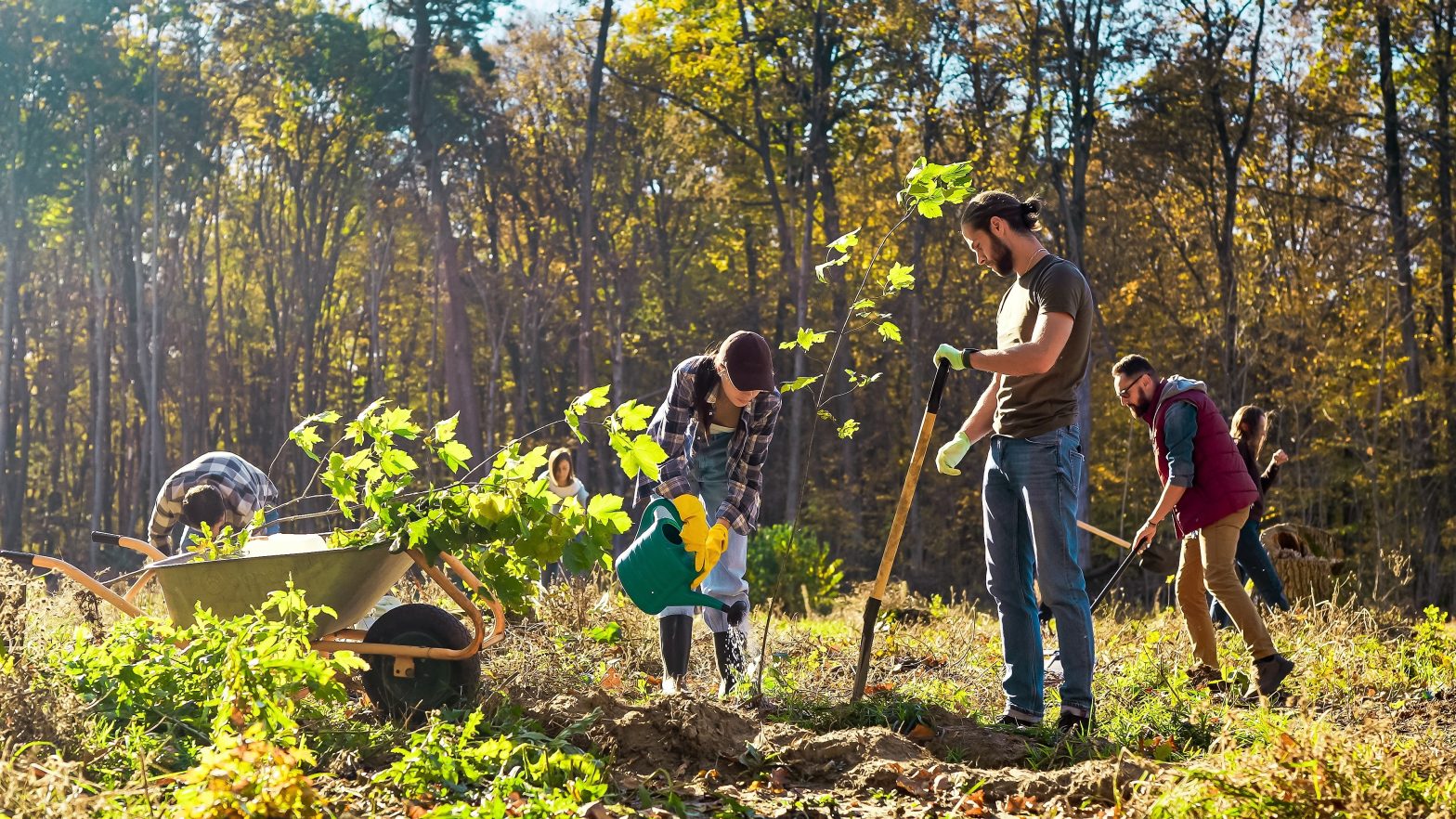
That is why the most effective climate action goes beyond individual effort. Local projects, community decisions and shared goals all play a crucial role in reducing emissions. Personal action matters most when it supports and strengthens this wider change.
This guide explores how individual steps can contribute to something greater. It offers practical ways to reduce emissions and introduces the idea of a Changeprint, a new way to think about collective impact.
Why individual action still has a role
The idea of a carbon footprint has encouraged many people to think differently about the impact of their choices. It has opened up conversations about how we use energy, how we travel and what we consume. These discussions continue to be important.
However, it is important to recognise the limits of personal responsibility. The most meaningful reductions in emissions will come from changes to the systems we live in. That means local and national decisions, public infrastructure and the priorities set by governments and businesses.
Individual action becomes powerful when it supports those wider changes. It helps create the demand for better options, builds momentum for community projects and shows what people are willing to do when given the opportunity.
How small steps can support bigger change
Even if individual actions cannot solve climate change alone, they still matter. Especially when they reinforce larger goals and are supported by local projects or policies. Here are some examples of where your actions can make a difference.
Reducing energy use at home can cut emissions and lower costs. Switching to renewable electricity, improving insulation and using energy efficient lighting are simple ways to support the transition to clean energy.
Choosing to walk, cycle or use public transport can reduce congestion and pollution, and it shows public support for safer, more accessible travel options. When more people use these services, it strengthens the case for investment in them.
Food is another area where individual and local choices align. Creating a food partnership, buying local produce and reducing food waste are all practical ways to reduce emissions and support healthier, more resilient food systems.
Practical areas where change can happen
There are many ways to reduce your carbon footprint while contributing to bigger efforts. The most effective actions often sit at the intersection of personal choice and community impact.
Use less energy at home
Using less energy reduces emissions and supports the shift to a cleaner energy system. Switching to a renewable supplier and improving your home’s insulation are both meaningful steps. These choices also create wider demand for energy that is low carbon and locally generated.
Travel in lower carbon ways
Walking, cycling and public transport offer lower carbon ways to move around and help create more liveable towns and cities. Even small reductions in car use can have a positive impact on air quality and support wider improvements in local transport systems.
Choose food with lower emissions
Making changes to how we eat can have a large effect on emissions. Choosing plant based options more often, reducing food waste and supporting local food producers all contribute to a lower impact food system. These choices also benefit local economies and health.
Reduce waste and buy differently
What we buy and throw away links directly to carbon emissions. Repairing, reusing and recycling can lower demand for new materials and reduce the emissions from manufacturing and transport. Buying fewer things, and choosing durable, well made products helps reduce long term impact.
These actions reflect many of the 25 local actions that communities across the UK are already taking. They are most effective when they support shared goals and are part of a broader local effort.
From carbon footprint to Changeprint
Reducing your carbon footprint is a valuable contribution. But to reach net zero and become stronger together, we need to look at the bigger picture. That is why we look beyond reducing a carbon footprint to growing a Changeprint.
A Changeprint is the collective impact of local actions that reduce emissions. It is not just about avoiding harm, but about creating positive outcomes. That could include cleaner air, restored nature, warmer homes and stronger local connections.
It is a way of measuring not only what is being done, but what is being improved. A local food project, an energy co-operative or a walking route upgrade all grow a Changeprint when they help people change how they live in a lasting way.
When people act together, change becomes more visible and more sustainable. It also becomes easier. Sharing knowledge, skills and resources means no one has to carry the responsibility alone.
Start with what is already happening
Across the UK, communities are already cutting emissions in practical, creative ways. Many of these efforts are community led and ready for more support. The most important step is often just finding out what is happening near you.
Whether it is joining an existing project, starting a new one or simply changing how you do things at home, your contribution helps grow a Changeprint. Visit our Changeprint homepage and find out how to get started.
FAQs
Why are we still talking about carbon footprints?
A carbon footprint can still be a useful tool for thinking about emissions. But it should not be the only one. It works best when used to support wider change, not replace it.
What actions are most effective in reducing your carbon footprint?
The most effective actions are those that reduce emissions and also influence others to do the same. These often involve food, energy, transport and waste, especially when linked to local projects.
What is a Changeprint?
A Changeprint is the positive impact created when people join forces in taking climate action. It’s not the action itself, but all the benefits that result. The impact is not limited to carbon emissions and includes wider project benefits such as cleaner air, improved health outcomes and stronger communities. Where a carbon footprint measures what we take away, a Changeprint shows what we can build together.
How can I grow a Changeprint?
You can grow a Changeprint by supporting or starting collective initiatives where you live or work, sharing resources and building local momentum. Your individual actions contribute more when connected to collective goals.
Does this mean personal action still matters?
Yes, personal action matters, but it matters most when it is part of a wider effort. What you do makes a bigger difference when it connects with others who are working toward the same outcome.
Sources
- https://www.clf.org/blog/the-truth-about-carbon-footprints/
- https://www.un.org/en/climatechange/science/causes-effects-climate-change
About Carbon Copy
Carbon Copy exists to turn individual concern for climate and nature into collective impact by helping people connect locally and create real change together. We believe the fastest way to create change is to share it. We tap into a powerful truth: copying is human nature. When action is visible and easy to replicate, it spreads. It’s about people stepping in, inspired by what others have done and copying what works. Carbon Copy offers a place to start, with a national collection of climate action stories, place-by-place climate and nature plans, a popular podcast and blog, and capacity building for organisations across public, private and third sectors.
Recommended from Carbon Copy
-
From Footprint to Changeprint is making an impact
How do some local climate initiatives achieve remarkable impact? We think we have some of the answers. When Carbon Copy…
-

From Roots To Riverbanks
How joining up individual nature projects has much bigger benefits for communities and nature. Local nature-based solutions at a landscape…
-

Closing the Loop
How you can take a local economy full circle. A local circular economy keeps products, materials and resources in use for…
-

Local projects lead the way for others to create lasting positive change
We’re launching an innovative pilot series of Commmunity-to-Community Workshops to catalyse local climate action. With generous support from the National Lottery Community Fund,…