
The things we buy are linked to climate change because they use energy, and some of that energy comes from burning oil and gas. Products use energy while they are being made and because of how they reach us. When we throw stuff away, waste is sent to landfill sites where it generates more polluting emissions. Growing our economy by simply buying more stuff and throwing it away is unsustainable: we use up too many finite natural resources and generate too much waste and pollution. Instead, growing a ‘circular’ economy reduces raw materials and fossil fuel energy dramatically while creating new jobs and services locally.
Learn more about the positive impacts
Stories
Featured initiatives
-
 East of England
One Impossible Thing – Sports Shoe Network
Circular EconomyCollecting preloved sports shoes to redistribute them for free to those that need a little extra help.
-
 SW England
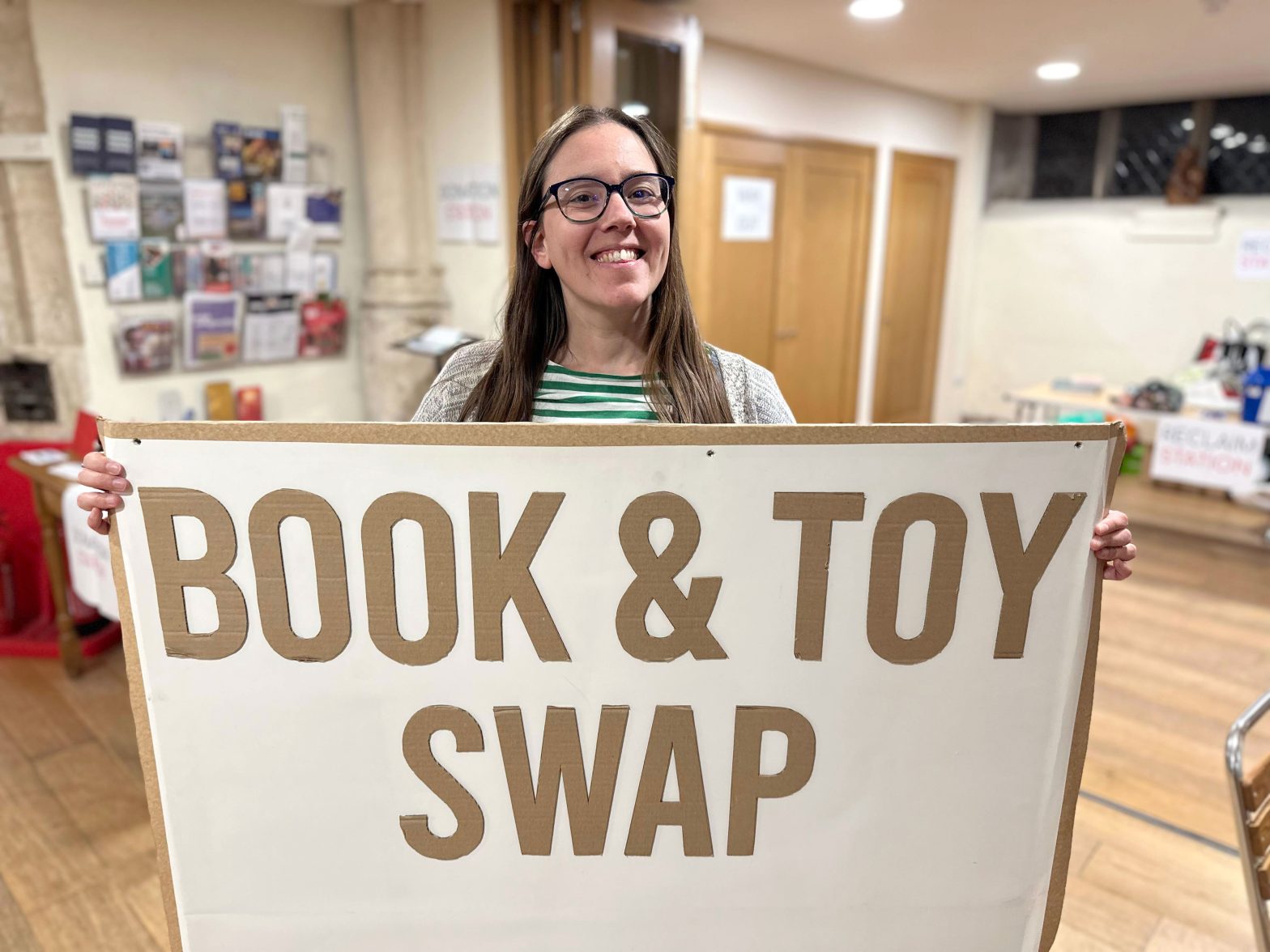
Devizes Swap Shop
Circular EconomyReducing waste and helping families by swapping instead of shopping.
-
 Yorkshire and the Humber
Warp It
Circular EconomyHelping organisations keep equipment, assets and ‘stuff’ circulating.
-
 London
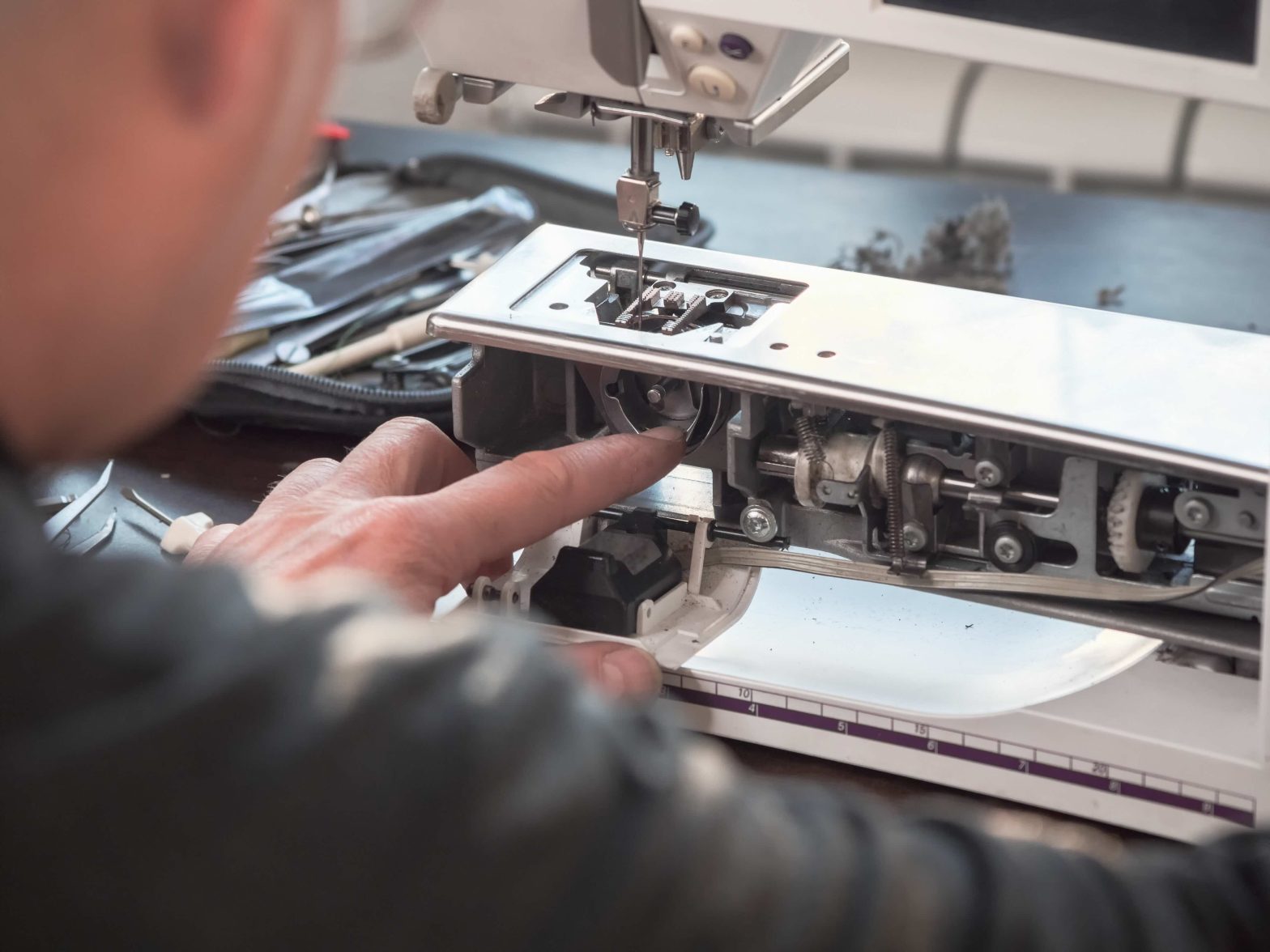
Team Repair
Circular EconomyTackling e-waste from our throwaway society with repair education.
The circular economy is not just an environmental solution; it’s an economic and social opportunity waiting to be seized.
Dame Ellen MacArthur
Blog
Recommended reads
-
Closing the Loop
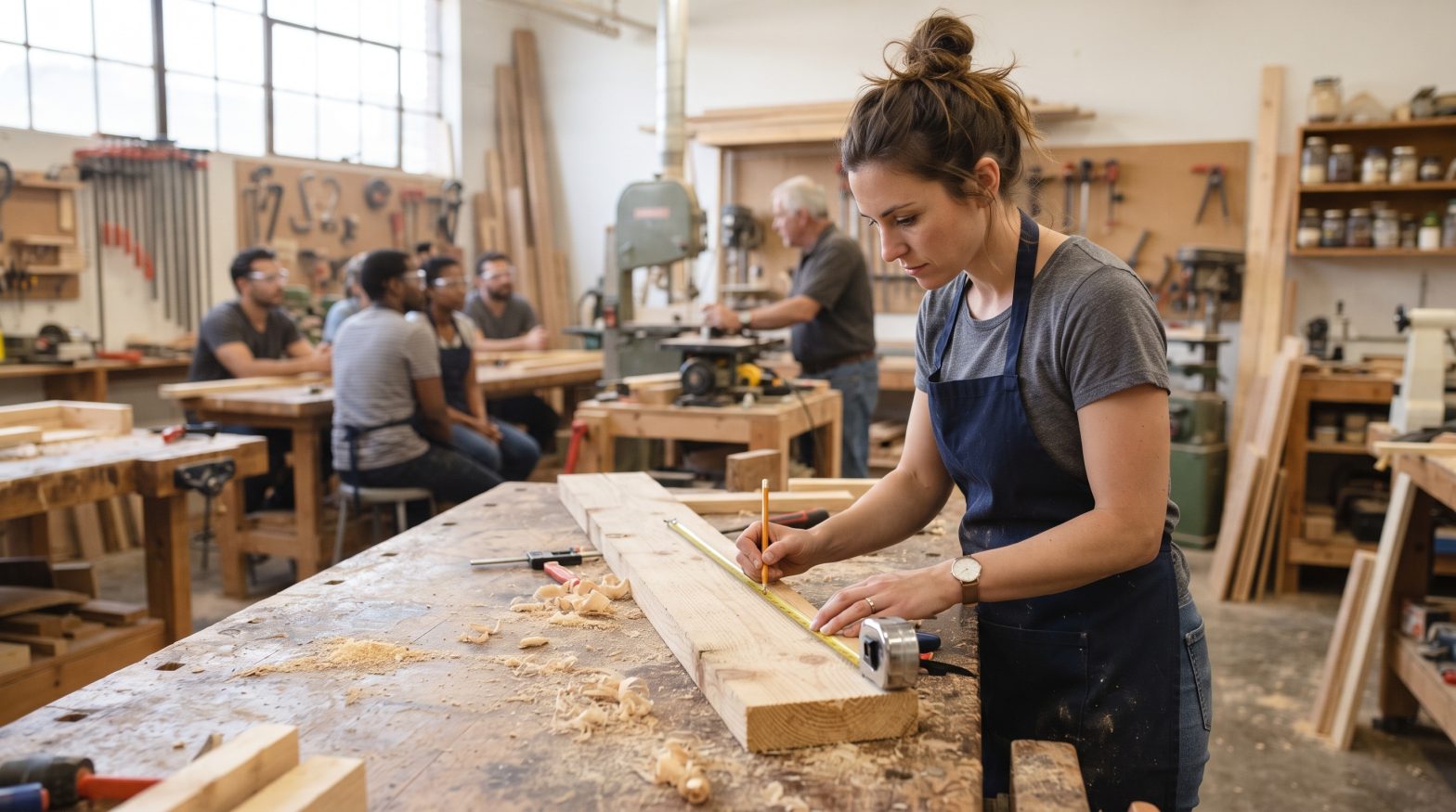
How you can take a local economy full circle. A local circular economy keeps products, materials and resources in use for…
-
Local projects lead the way for others to create lasting positive change
We’re launching an innovative pilot series of Commmunity-to-Community Workshops to catalyse local climate action. With generous support from the National Lottery Community Fund,…
-
Recommended listen
From Footprint to Changeprint
How do some local climate initiatives create such remarkable impact? Find out in this special video podcast episode.