Local projects lead the way for others to create lasting positive change

We’re launching an innovative pilot series of Commmunity-to-Community Workshops to catalyse local climate action.
With generous support from the National Lottery Community Fund, we are working with four highly successful local initiatives from across England to accelerate peer-to-peer learning and the spread of place-based innovation across the UK.
In addition to the useful resources and inspiring content about collective local climate and nature projects that we share, a recent stakeholder survey highlighted the demand for more opportunities to learn directly from those involved.
These workshops build on the recent research report and high-impact local action guide, From Footprint to Changeprint, commissioned by Carbon Copy. This guide has been used extensively this year as a local climate action resource, with over 550 downloads by hundreds of different organisations. Combined with peer-to-peer learning, these Community-to-Community Workshops are designed to strengthen the factors for success in each participants’ own work.
Our approach is based on the fundamental notion that copying is human nature, and therefore, the our work is underpinned by the idea that the fastest way to accelerate change is to share it. These innovative workshops are designed to help people adapt what’s working elsewhere to their local context so that it spreads.
Working with professional facilitator Roy Kareem (formerly of the Centre for Sustainable Energy and Bright Green Future), this mini-series of online Community-to-Community Workshops are hoped to be a pilot for an expanded series in the future. We’ll feature four very different high-impact organisations over four weeks, starting Tuesday 29 September.
All the workshop guests are trailblazers who are implementing innovative, big ideas.
The first guest project, featured in the workshop on September 29, will be Circular Malton & Norton; the UK’s first circular economy market town. This lively session will provide insight into linking different eco-groups, projects and businesses to create a fully joined-up circular economy locally.
On October 5, Hull Food Partnership will join a session about sustainable food systems and their pioneering implementation of a Right To Grow policy in Hull; the first city in the UK with a community right to grow.
Then, on October 13, guests from Cambridgeshire County Council will deliver a session about the Swaffham Prior Heat Network – a rural community whose reliance on heating oil is being transformed through a shared ground source heat pump system; the first village in the UK reliant on oil to switch.
Finally, on October 20, participants will learn about nature-based solutions to flooding and climate change, from Leicestershire-based community project, Harborough Woodland; a pioneering programme that’s taking a whole landscape approach to join up individual nature projects.
Carbon Copy’s co-founder Ric Casale said:
“We know that hearing real-life stories about people coming together to take action for climate and nature can be hugely inspiring. But sometimes just hearing the story can leave you with more questions than answers. How can we do the same where we live and work? What are the key success factors? Can we make a similar difference in our area?
“These Community-to-Community Workshops draw on new research findings and practical insights from our High-Impact Local Action Guide, as well as groundbreaking examples from inspiring projects, to help participants feel empowered and motivated to copy successful projects. We’re hugely grateful to the National Lottery Community Fund for their support, which will enable us to reach hundreds of new local changemakers across England.”
Recommended from Carbon Copy
-
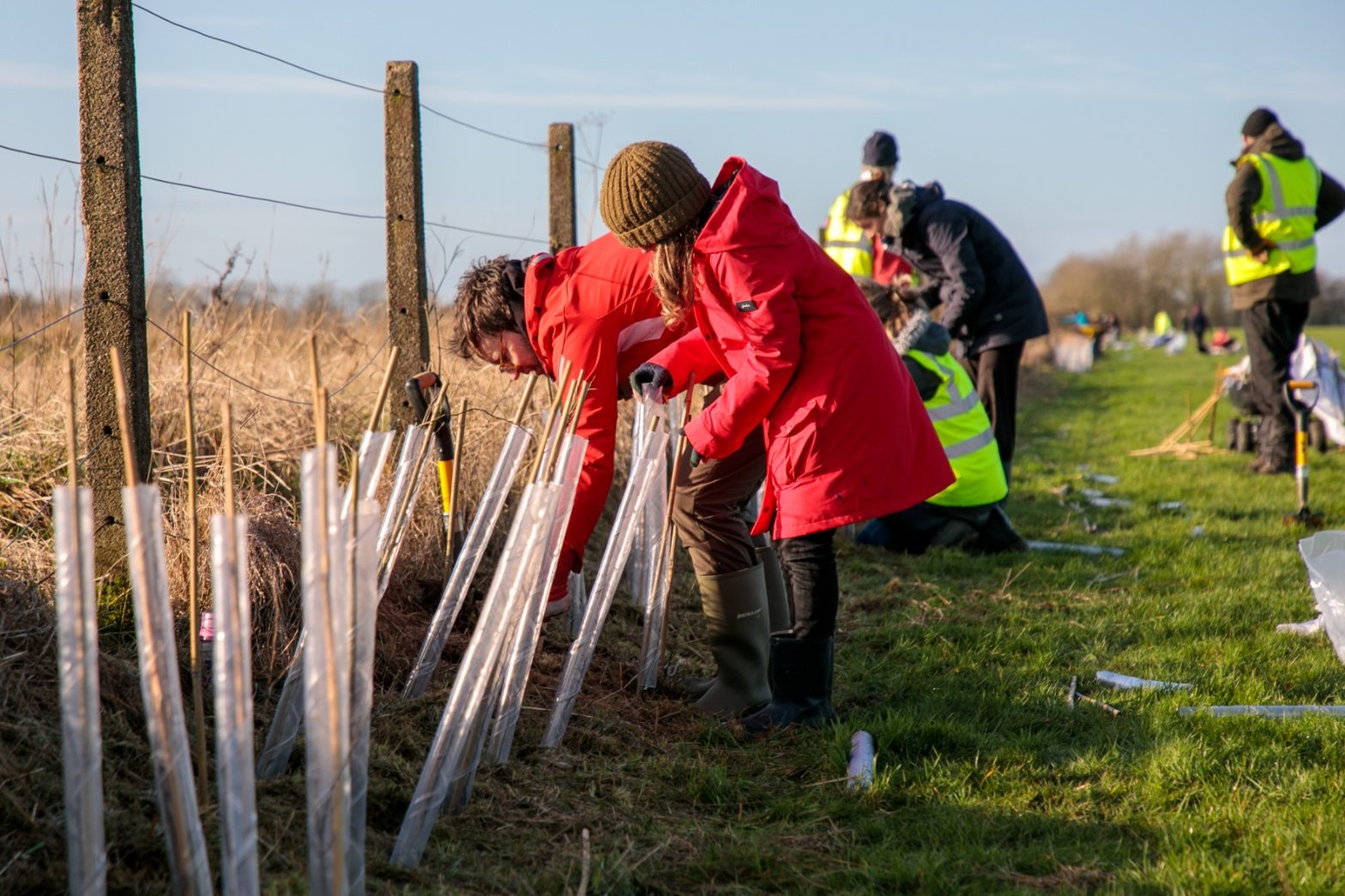
Take a leaf out of this book: just say yes!
How a community group focused on nature-based solutions helped everyone, from kids to corporates, to find the joy of getting…
-
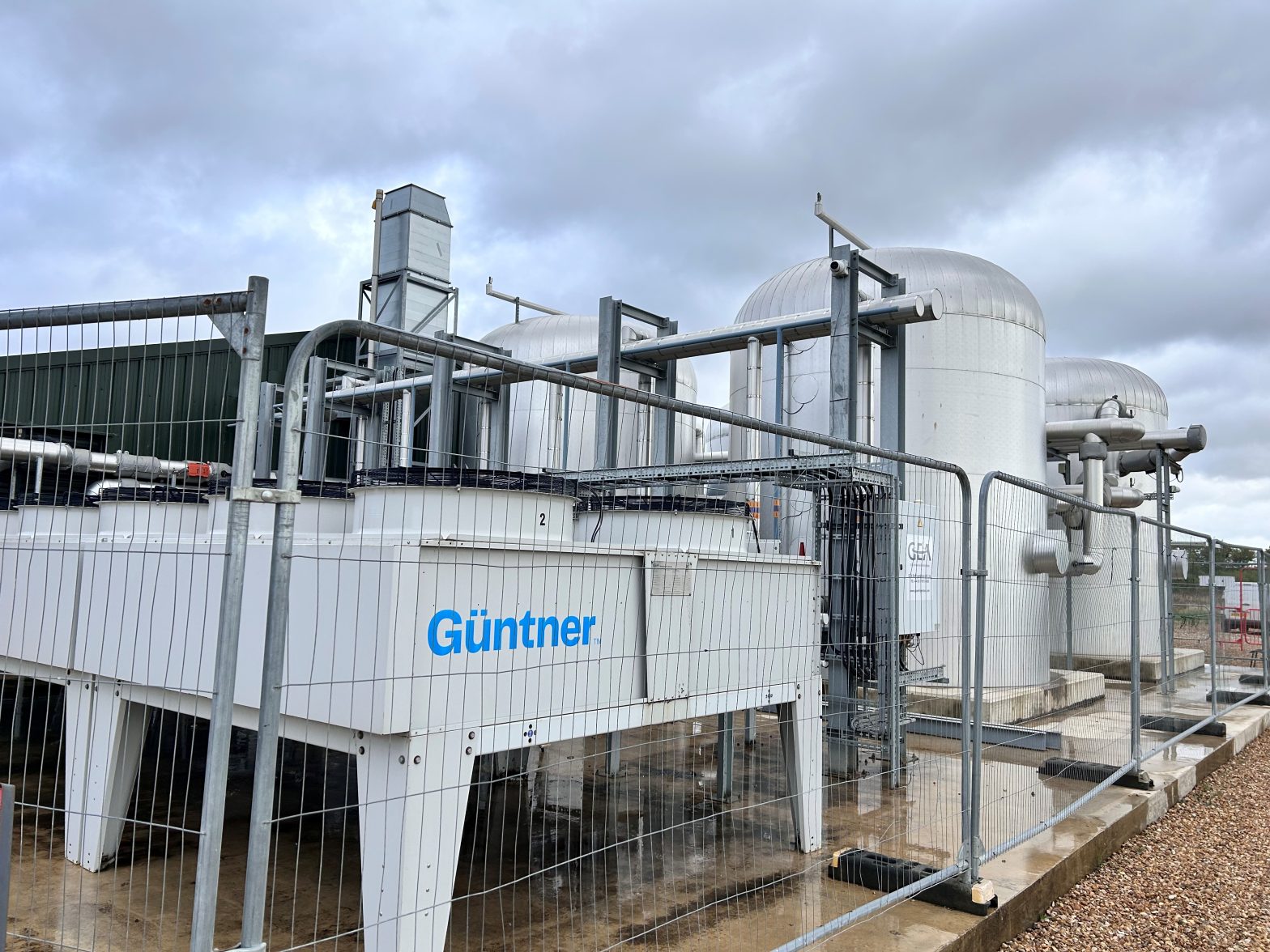
Out with the oil, in with the new.
A warming look back at our Community-to-Community Workshop with Swaffham Prior Heat Network What does it take for a rural…
-
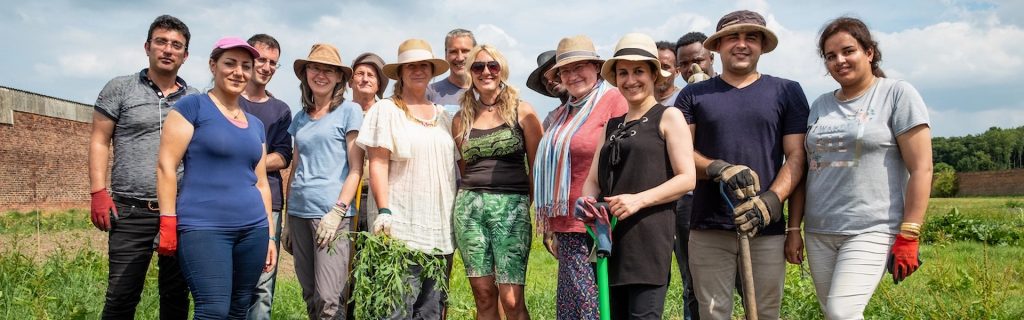
Finding the plot
How did Hull become the first place in the UK with a legal Right to Grow? What does it actually…
-
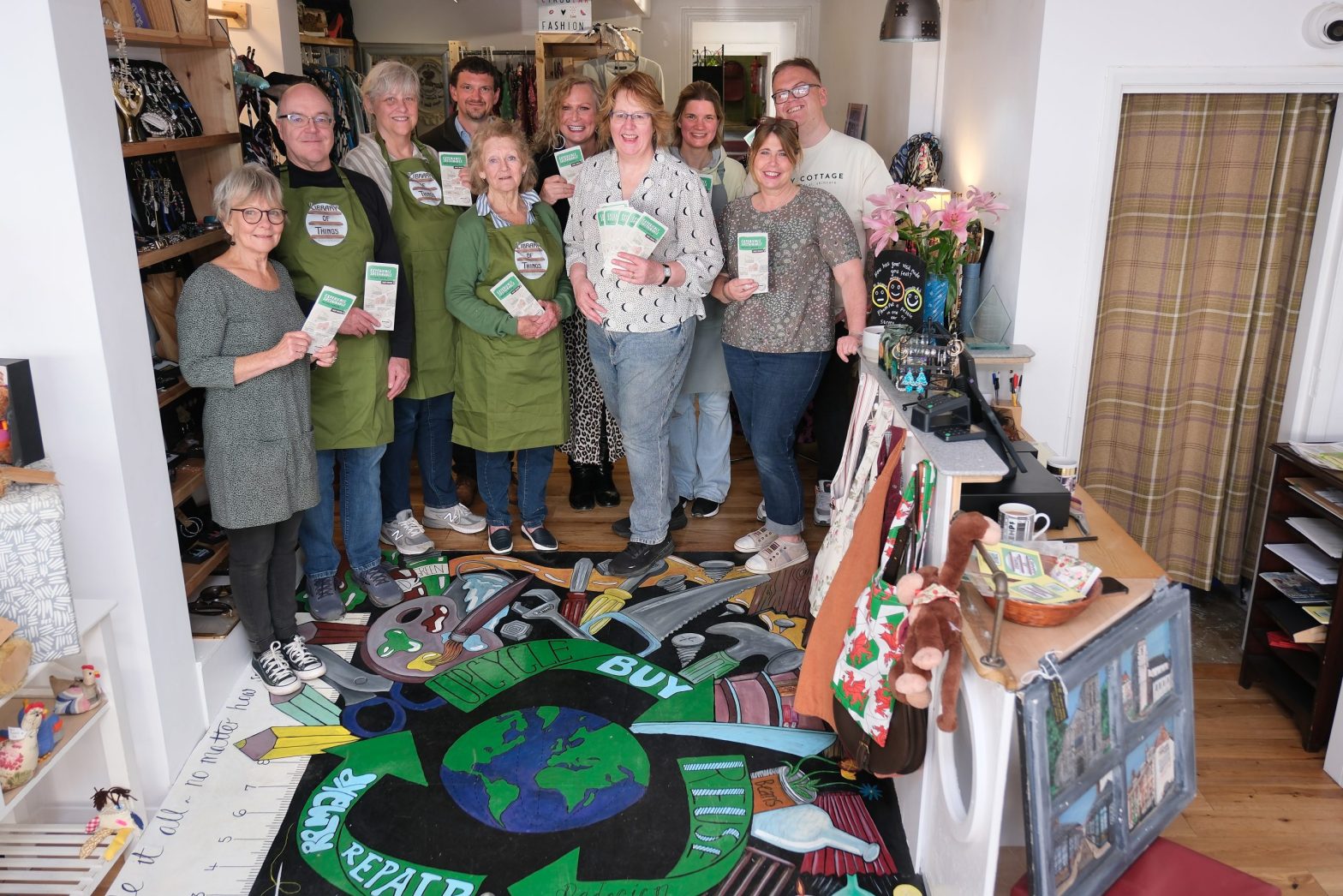
Refuse, reduce, repair, repurpose, recycle – recap!
Circling back to our Community-to-Community Workshop with Circular Malton & Norton How long does it take to move people to…