What is El Niño and its Impact on UK
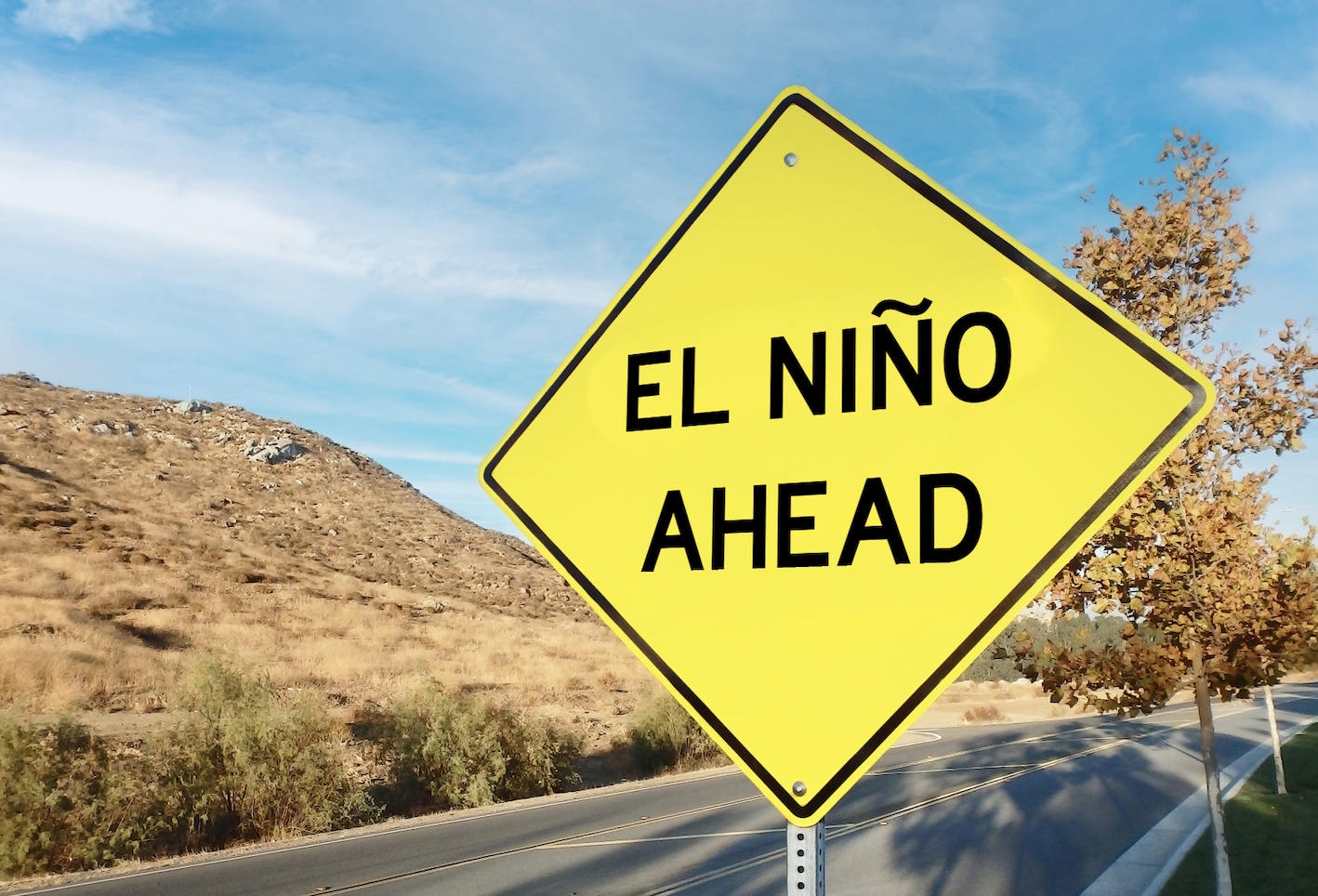
What are El Niño and La Niña?
El Niño and La Niña are the names (Little Boy and Little Girl, in Spanish) of two weather patterns that occur naturally in the Pacific. They are so significant that both can affect temperatures and rainfall around the world – disrupting our weather systems, livelihoods and economies.
El Niño and La Niña are opposites. The two states are often identified by sea surface temperatures in the tropical Pacific Ocean. During El Niño, these waters are warmer; during La Niña, they are cooler.
In neutral conditions – neither El Niño nor La Niña – the surface water in the Pacific Ocean is cooler in the east and warmer in the west. Trade winds tend to blow east-to-west, and heat from the Sun progressively warms the waters as they move in this direction.
During El Niño, the trade winds weaken or reverse, pushing warm surface waters back east instead. This releases more heat into the atmosphere, creating wetter and warmer air.
During La Niña, trade winds are even stronger than usual, pushing the warm waters westwards and bringing more cold water up to the surface.
How often does El Niño happen?
This climate pattern naturally oscillates from one state to the other. Episodes of El Niño and La Niña typically last 9 to 12 months, but can sometimes last for years. El Niño and La Niña events occur every two to seven years, on average, but they don’t occur on a regular schedule. Generally, El Niño occurs more frequently than La Niña.
The latest phase of the natural La Niña weather pattern has come to an end and right now we’re in a neutral condition. However, the pattern is shifting and the opposite El Niño phase is expected to develop within months.
What is a Super El Niño?
A ‘super’ El Niño is not a good thing. It is used to indicate a very strong El Niño where the warming of sea surface temperatures in the Pacific Ocean is higher than 2C above normal. This has only occurred a few times since 1950. These higher surface water temperatures supercharge extreme weather events around the world. Some of the worst floods ever known in Britain at the time were linked to the last super El Niño in 2015.
The newest long-range forecast from the European Centre for Medium-Range Weather Forecasts shows a 100 percent chance of a super El Niño forming by November this year.
The UK Met Office said in a statement released in April 2026: “There is growing confidence that this event could sit at the upper end of the historical range. Scientists are telling us that this could be the strongest El Niño event so far this century.”
Is climate change making El Niño worse?
There is no clear evidence that climate change increases the frequency or strength of the actual El Niño episodes. But climate change can make the resulting negative impacts of El Niño worse, because a warmer ocean and atmosphere increases the availability of energy and moisture for extreme weather events such as torrential rainfall, heatwaves during the summer and colder weather during the winter.
How will El Niño affect the UK?
Although El Niño is a natural warming event in the tropical Pacific, it disrupts temperatures and rainfall patterns globally and increases the risks regionally of droughts, floods, heat waves and other extreme weather.
The regional effects are complicated and some places may be both warmer and cooler than expected at different points in the year, depending on the changing seasons.
According to the UK Met Office, it is too early to draw firm conclusions about what this developing super El Niño might mean for the UK seasons ahead and likely extreme weather events. However, we can expect a shift in where and how these future weather hazards occur – increasing the risks we already face from our changing climate.
What are the risks in the UK from a super El Niño?
The risk of a super El Niño will be increased frequency or intensity of extreme climatic conditions. These extreme weather events are already having widespread effects in the UK:
- Infrastructure: Heavy rain and wind damage transport networks, power lines and buildings. High temperatures can cause rail tracks to buckle and roads to soften.
- Public health: Heatwaves increase risks of dehydration, heat exhaustion and respiratory problems. Cold snaps raise risks of hypothermia, especially among older adults.
- Agriculture: Crops can be lost to drought or floods. Shifts in growing seasons make food production less predictable.
- Insurance and property: Increased flood and storm damage leads to higher insurance premiums or limited coverage in high-risk areas.
What are the implications of extreme climatic conditions?
In November 2025, the UK’s leading climate and nature experts held a National Emergency Briefing in Westminster on the implications of climate and nature breakdown for our health, food systems, national security and the UK economy.
You can hear the evidence about these wider risks of climate change for yourself – and consider what our collective response should look like – in community screenings held across the UK throughout 2026. Listen or watch The Local National Emergency podcast episode to find out more.
How to prepare for extreme climatic conditions
Preparation can reduce the negative impact of extreme weather events on the places and people around us. Individuals and communities each have a role to play.
People can take simple steps to reduce personal risk, such as:
- Knowing local flood risks and checking flood alerts
- Checking insulation and ventilation
- Staying hydrated and avoiding strenuous activity during heatwaves
- Taking bigger steps to prepare for heatwaves
At a community and policy-level, local councils are improving emergency planning, flood defences and heatwave strategies. Mapping risks and involving communities in local decision-making helps create more resilient places.Communities taking local action are building resilience and cutting emissions at the same time. Learn more about these bigger collective actions through 25 Big Local Actions.
How to take more effective collective action
Many of the effective responses to extreme climatic conditions require working together to build resilience and readiness at a community level and to improve natural and constructed measures to protect our surrounding areas.
From Footprint to Changeprint is an action guide intended to support you in taking more effective collective action, learning from others’ experience and strengthening the factors for success in your own work and community response to these climate risks.
What are El Niño and La Niña?
El Niño and La Niña are natural climate patterns that occur in the tropical Pacific Ocean and influence weather around the world. They are linked to changes in sea surface temperatures and trade winds, with El Niño bringing warmer than usual waters in the eastern tropical Pacific and La Niña bringing cooler than usual waters. These changes can disrupt global weather systems, affecting rainfall, temperature, storms, droughts and heatwaves in different regions.
How often do El Niño and La Niña happen?
El Niño and La Niña events usually occur every two to seven years, although they do not follow a fixed schedule. Each episode typically lasts between 9 and 12 months, but some can continue for several years. The climate system naturally shifts between El Niño, La Niña and neutral conditions, with El Niño generally occurring more often than La Niña.
What is a super El Niño?
A super El Niño is a very strong El Niño event, usually identified when sea surface temperatures in the tropical Pacific rise more than 2C above normal. These events are rare, but they can have powerful effects because warmer ocean waters release more heat into the atmosphere and can intensify extreme weather around the world. A super El Niño can increase the likelihood or severity of hazards such as flooding, heatwaves, drought and seasonal weather disruption.
How could El Niño affect the UK?
El Niño begins in the tropical Pacific, but its influence can ripple through global weather systems and affect the UK in complex ways. The exact impact can vary by season, which means the UK may experience shifts in rainfall, temperature and the timing or location of weather hazards. While it is too early to predict every local effect with certainty, a strong El Niño could add to the risks already being shaped by climate change, including heavy rain, flooding, heatwaves, cold snaps and disruption to infrastructure, health, agriculture and property.
How can communities prepare for extreme weather linked to El Niño?
Communities can prepare for extreme weather by understanding local risks, strengthening emergency planning and taking practical action that builds resilience. This could include improving flood readiness, preparing for heatwaves, supporting vulnerable residents, restoring natural spaces, improving drainage and involving local people in decisions about how their area responds. Carbon Copy’s From Footprint to Changeprint guide is designed to help people take more effective collective action, learn from what is already working elsewhere and strengthen community responses to climate risks.
Sources:
- https://wmo.int/media/news/wmo-likelihood-increases-of-el-nino
- https://www.bbc.co.uk/weather/articles/cj94nzj33m0o
- https://www.theguardian.com/environment/2026/apr/23/down-to-earth-super-el-nino-extreme-weather
About Carbon Copy
Carbon Copy exists to turn individual concern for climate and nature into collective impact by helping people connect locally and create real change together. We believe the fastest way to create change is to share it. We tap into a powerful truth: copying is human nature. When action is visible and easy to replicate, it spreads. It’s about people stepping in, inspired by what others have done and copying what works. Carbon Copy offers a place to start, with a national collection of climate action stories, place-by-place climate and nature plans, a popular podcast and blog, and capacity building for organisations across public, private and third sectors.
Recommended from Carbon Copy
-
From Footprint to Changeprint, to Community-to-Community
How do some local climate initiatives achieve remarkable impact? We think we have some of the answers. When Carbon Copy…
-
From Roots To Riverbanks
How joining up individual nature projects has much bigger benefits for communities and nature. Local nature-based solutions at a landscape…
-
 Affordable Energy, Buildings & Places, Greater Fairness, Health & Wellbeing, Renewable Energy, Strong Communities
Sharing the Warmth
How communities like yours could benefit from district heating systems. District heating systems, also known as heat networks, provide heating…
-
Closing the Loop
How you can take a local economy full circle. A local circular economy keeps products, materials and resources in use for…