Earth Day 2026: How is growing a Changeprint about more than carbon?
We discuss how Changeprint encourages local action that focuses on specific place-based needs - rather than emissions alone.
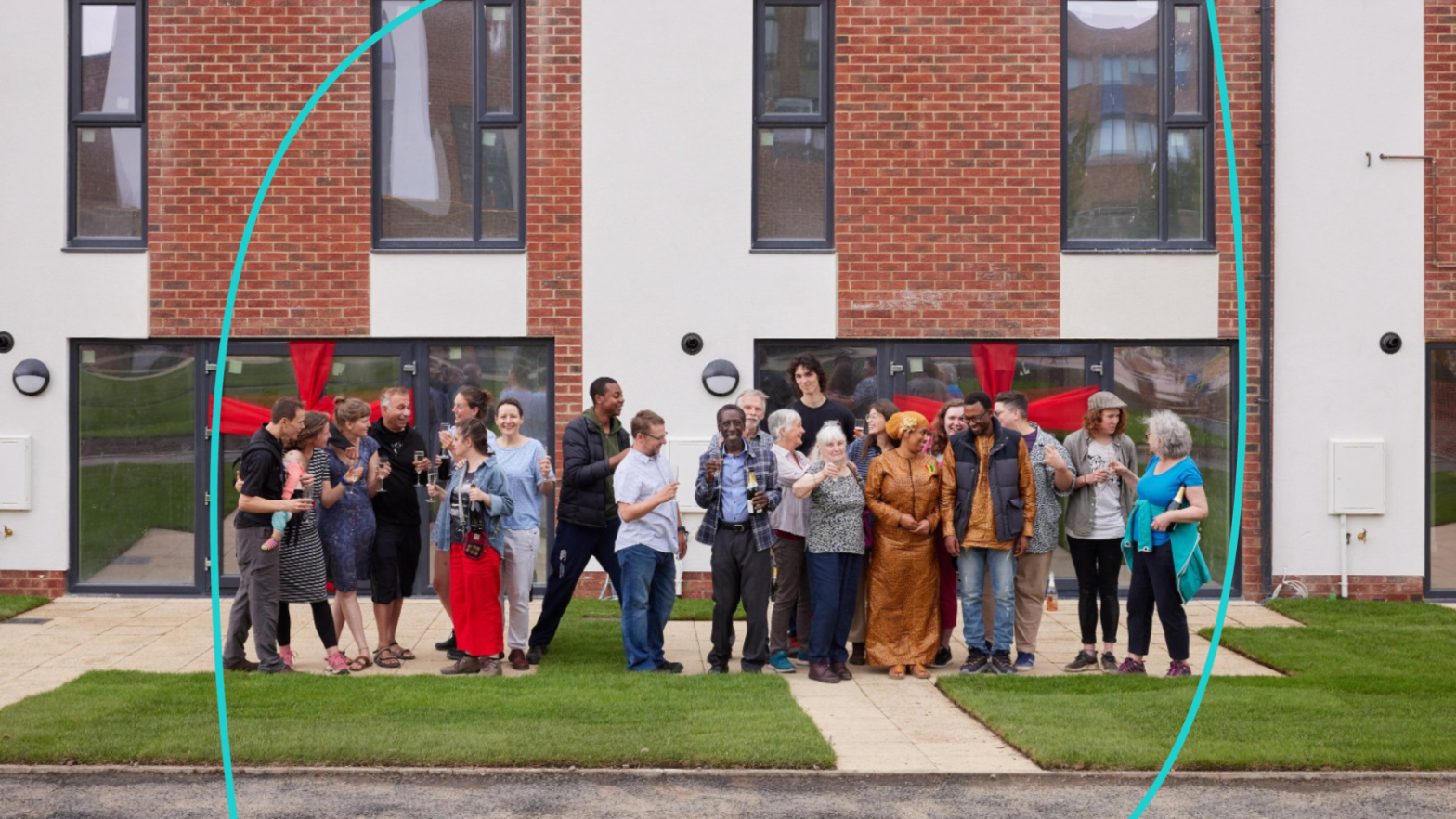
People Powered Homes in Leeds is creating a Changeprint by bringing disused houses back into occupancy, providing safe and warm places for people to live and by raising money to support the local community.
Since launching Carbon Copy nearly six years ago, we’ve discovered hundreds of examples of collective local action with impressive positive impacts for climate and nature, taking place all across the UK. What’s become clear, however, is that these projects and organisations are doing so much more than tackling carbon emissions; and in many cases the positive climate outcomes of the work are not even the primary focus.
As we mark this year’s Earth Day, and its theme “Our Power, Our Planet,” we’re conscious that the current context – where interconnected issues around equality, economic instability, political and cultural divisions are often at the forefront of people’s minds – creates a need for climate and nature action to be portrayed in a different way. Instead of action aiming for the intangible and uninspiring goal of “Net Zero”, we instead need to paint a vision of a future that is peaceful, fair, healthy and prosperous; where climate and nature outcomes, whilst significant, are incidental.
Within the “Our Power, Our Planet” theme, are two pillars. Resilience and Institutional Continuity and Shared Interests and Interconnected Outcomes. This second pillar speaks to the power of environmental action to create impacts that extend far beyond a reduction in carbon emissions. These wider and profuse “interconnected outcomes” can also be described as a Changeprint, the new term to talk about the wider benefits of collective local action.
Our March 2026 report From Footprint to Changeprint provides insight into how groups and organisations can grow their impact. Working with sustainability consultancy Eunomia, we conducted an in-depth analysis of high-impact projects from across the UK, each one creating a Changeprint and each one achieving multiple positive outcomes beyond reducing carbon emissions.
Everything, everywhere, all at once.
The idea for our research project was sparked during our year-long campaign: 25 Big Local Actions, which uncovered 25 different ways in which people can make a difference in the place where they live or work. During the campaign we uncovered dozens of incredible stories from across the UK, of people who had taken their passion, their skills, and their concern for a specific local issue, and who had joined with others to do something about it.
In speaking to these changemakers on the Carbon Copy Podcast and as part of the campaign, we started to identify some fundamental similarities. We hypothesised that if we could define these shared attributes of success and provide an action guide, then others could also accomplish everything they had achieved.
What has been fascinating in both our coverage of 25 Big Local Actions, and in conducting this research, is the enormous diversity of people and organisations involved in local climate and nature initiatives. In fact, one of the headline conclusions of the study has been that “success is possible everywhere”. Regardless of geography, organisation type or size or project focus; local action is bringing irrefutable positive change across the whole of the UK.
Needs must…
Returning to the Earth Day pillar then, our findings clearly indicate that shared interests and shared values are fundamental to successful local projects. A clear understanding of local needs – a sense of belonging – and a willingness to partner and collaborate across a wide range of stakeholders and organisations is also crucial.
In several cases the projects we included in the research did not primarily identify as “climate projects.” They were addressing needs around health and wellbeing, air quality, access to food or transport, warmer homes, better educational opportunities. Whatever those behind the project had established would make the biggest difference locally.
Every high-impact climate project has multiple interconnected outcomes. Each is creating an impressive Changeprint. In most cases these projects are reducing carbon emissions; but to focus on that, and that alone, is to do a disservice to their remarkable and far-reaching impact.
To learn more about embracing a broader definition of local climate success, download From Footprint to Changeprint now.
FAQs
What is a Changeprint in the context of Earth Day 2026?
A Changeprint in the context of Earth Day 2026 refers to the wider impact created by local climate and nature action, beyond carbon reduction alone. It captures the broader benefits that projects bring to communities, including improvements in health, wellbeing, local economies and social connection. This concept helps shift the focus towards real, visible outcomes that people experience in their everyday lives.
How does local climate action create wider community benefits?
Local climate action creates wider community benefits by addressing practical, everyday challenges alongside environmental goals. Many projects focus on issues such as access to food, cleaner air, better transport or warmer homes, which directly improve quality of life. As a result, these initiatives deliver multiple positive outcomes at once, making climate action more relevant, inclusive and impactful for local communities.
Why is Earth Day 2026 focusing on more than carbon emissions?
Earth Day 2026 is focusing on more than carbon emissions to reflect the growing need for climate action to connect with people’s immediate concerns and priorities. In a context shaped by economic pressures and social challenges, focusing only on carbon can feel distant or abstract. Highlighting wider benefits such as fairness, health and prosperity helps make climate action more meaningful and motivating.
What does the theme “Our Power, Our Planet” represent?
The theme “Our Power, Our Planet” represents the collective ability of communities to create positive change. It emphasises shared interests and interconnected outcomes, showing that when people work together, they can achieve results that benefit both the environment and society. This approach reinforces the idea that local action plays a vital role in shaping a better future.
What makes local climate projects successful across different communities?
Local climate projects are successful across different communities when they respond to local needs and bring people together around shared goals. The research highlights that success is possible in any location, regardless of size or resources, when projects focus on collaboration, relevance and community engagement. By building on local strengths and priorities, these initiatives are able to create meaningful and lasting impact.
Recommended from Carbon Copy
-
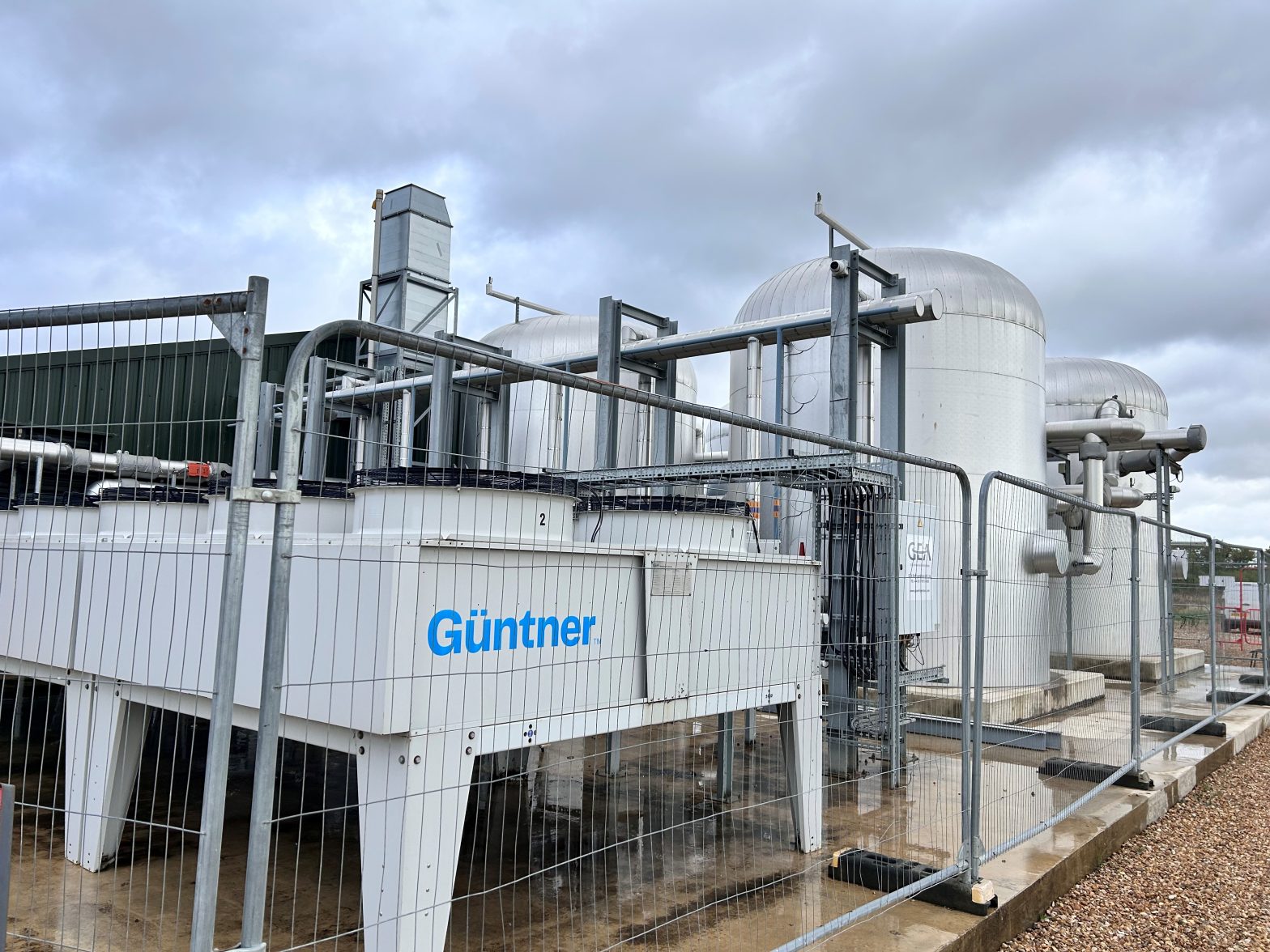
Out with the oil, in with the new!
A warming look back at our Community-to-Community Workshop with Swaffham Prior Heat Network What does it take for a rural…
-
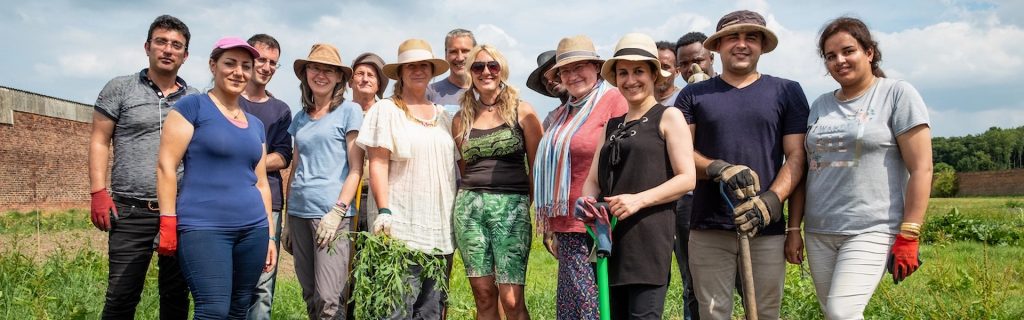
Finding the plot
How did Hull become the first place in the UK with a legal Right to Grow? What does it actually…
-
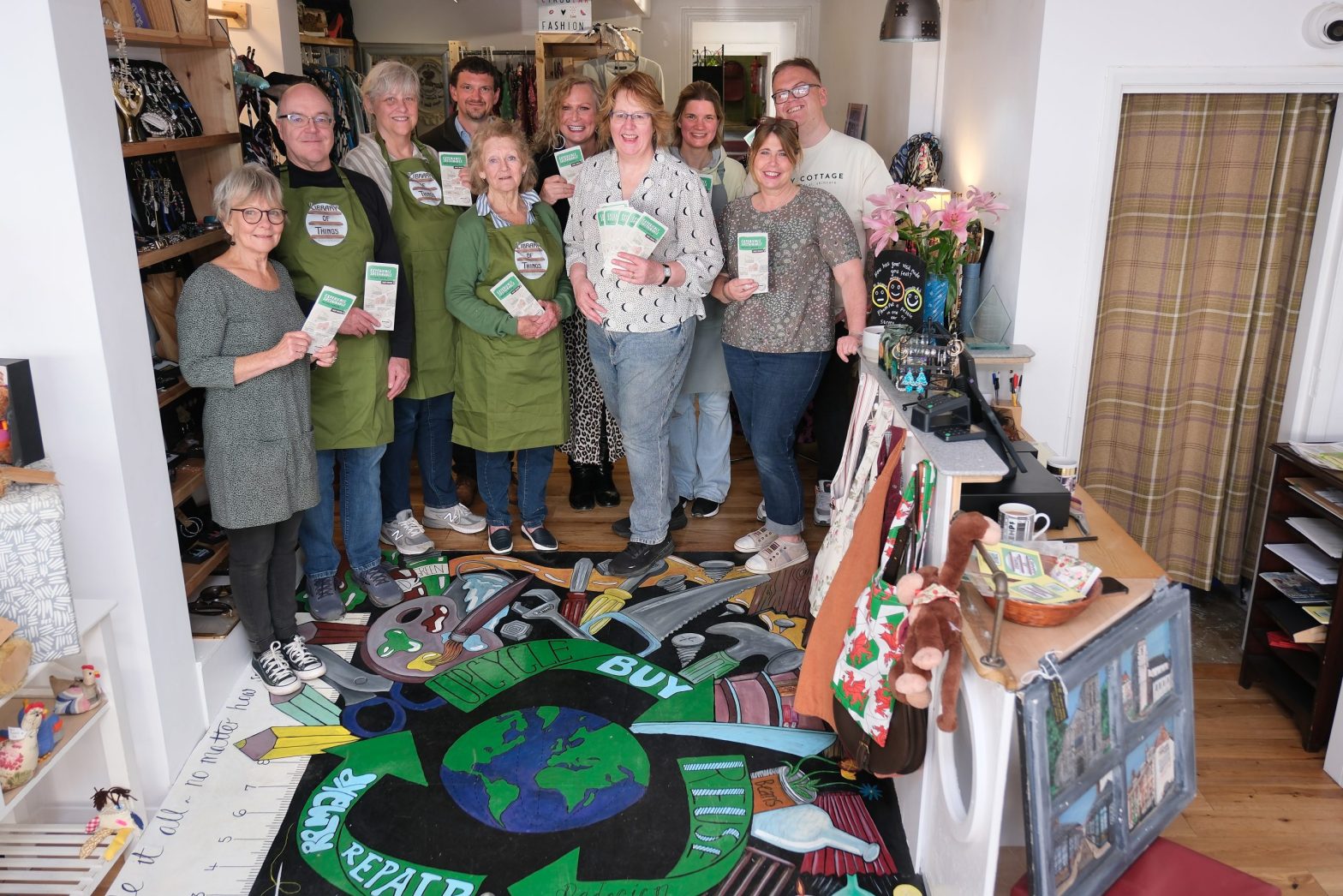
Refuse, reduce, repair, repurpose, recycle – recap!
Circling back to our Community-to-Community Workshop with Circular Malton & Norton How long does it take to move people to…
-
From Footprint to Changeprint is making an impact
How do some local climate initiatives achieve remarkable impact? We think we have some of the answers. When Carbon Copy…