Our Changeprint
Our Changeprint can be measured by number of participants engaged (attending workshops, site visits, and masterclasses); number of organisations participating in the programme and collaborating; participants reporting improved circular economy knowledge or skills (post-workshop surveys); number of new circular economy initiatives implemented (eg, resource-sharing schemes and waste-to-resource projects); number of peer networks or partnerships established.
Our story
The Circular Economy Innovation Communities (CEIC, pronounced = ‘cake’) began as an EU-funded project in 2021, offering fully-funded programmes to public sector organisations in South Wales to rethink resource management, implement sustainable change for the future and achieve their social, economic and environmental goals.
The circular economy approach challenges more 'traditional', linear views on the economy where products are bought, used, and then thrown away. Instead, at CEIC, we promote a circular economy approach which involves sharing, leasing, reusing, repairing, refurbishing and recycling existing materials and products for as long as possible.
We’ve continued to deliver the programme beyond the end of EU funding and have expanded it to include private and third sector organisations, thanks to funding from the Welsh and UK Governments.
The CEIC programme is a 6-month programme based on three main pillars:
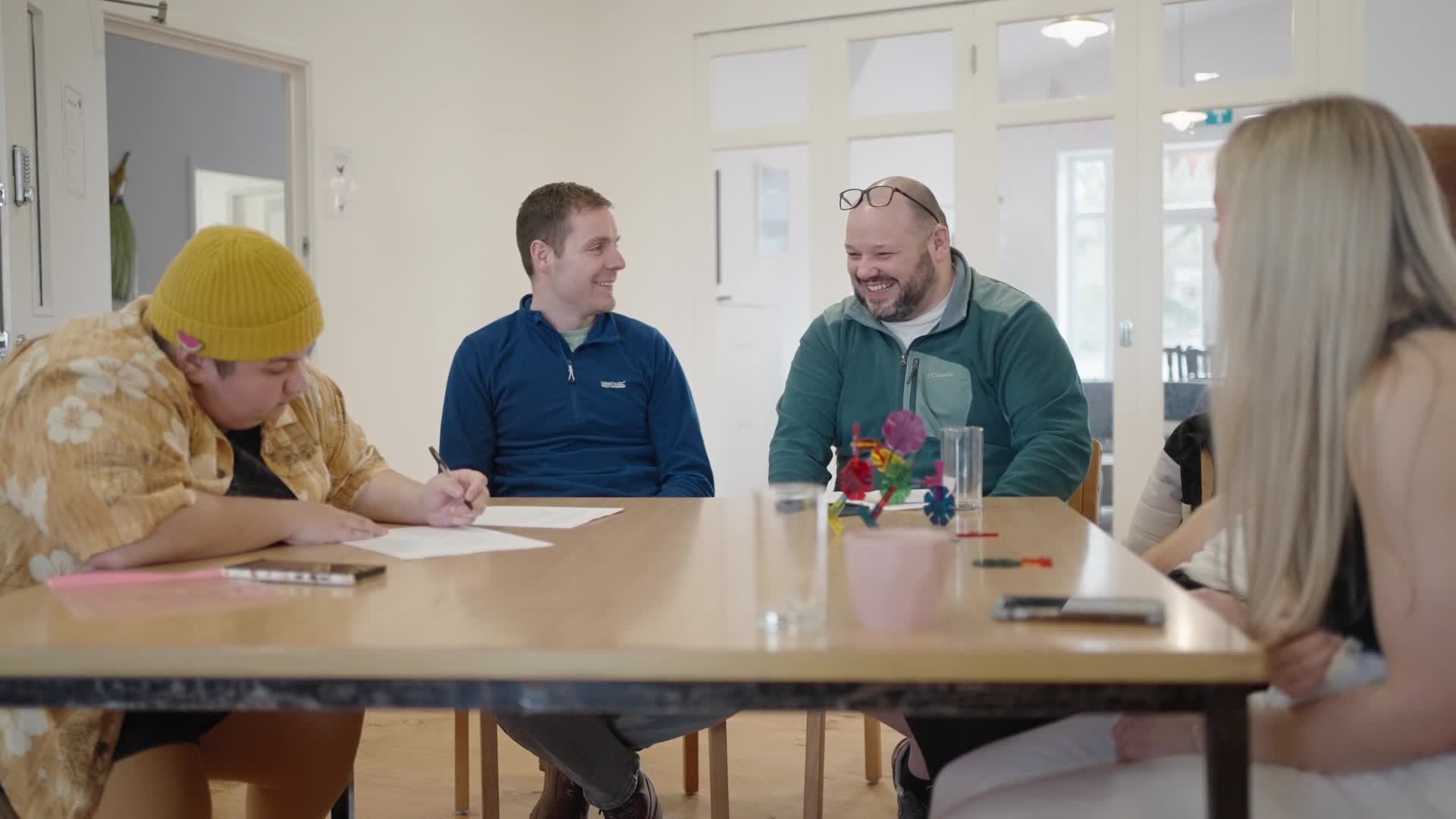
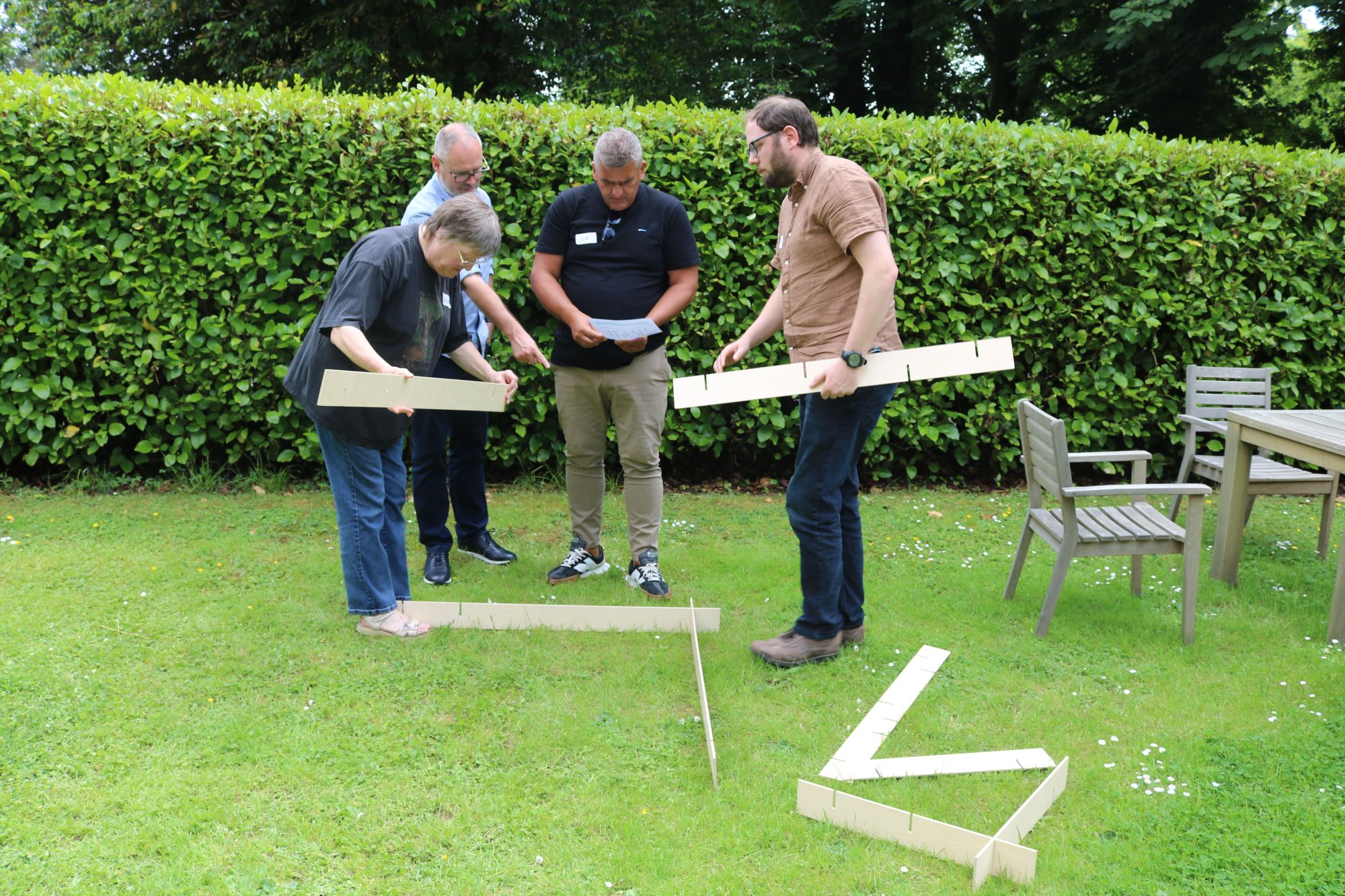
- In experiential learning workshops our facilitators take participants through innovation models and teach circular economy knowledge.
- Each cohort forms a Communities of Practice that provides peer support and enables knowledge-sharing.
- We support our participants to implement solutions that make their organisation’s processes or products more circular and reduce carbon emissions.
Some successes of previous CEIC participants include:
Awen Cultural Trust now grow the majority of the produce used on the menus of the on-site restaurant on the grounds of Bryngarw Country Park after adding a polytunnel and working more closely with colleagues from B-Leaf; a work-based initiative for adults with learning disabilities based within the grounds of Bryngarw Country Park. (https://ceicwales.org.uk/awen-cultural-trust-challenge-update/)
South Wales Police and Bridgend County Borough Council worked jointly to install five solar PV carports at their Tŷ Richard Thomas maintenance facility in Bridgend which produce 100kW (£30,000 worth) of free, low-carbon electricity to charge the electric vehicle fleet. (https://www.youtube.com/watch?v=3dqezF5bz28)
Joe’s Ice Cream, a South Wales family-run ice cream manufacturer transformed the planning process of customer deliveries to reduce business mileage. The business is committed to saving 36,696t CO2e emissions by 2023 and to achieving net zero by 2050. (https://www.youtube.com/watch?v=HQGatNT_Xr8)
Cwm Taf Morgannwg University Health Board partnered with a local social enterprise, Elite Paper Solutions in Merthyr Tydfil to repurpose NHS cardboard into pet bedding instead of shipping it abroad. The shredded and bailed cardboard is delivered to the South Wales Police Dog and Mounted section who use it as animal bedding for police horses and dogs. This reduces the transportation distance for cardboard recycling, saving around 502 kgCO2e and £1500 in waste management fees annually. (https://www.youtube.com/watch?v=ijg3CtEQPag)
Grounds for Good, a Cardiff-based CIC which diverts waste coffee grounds from landfill turning them into a range of products including spirits distilled with spent coffee grounds, preserves and vegan chocolate bars has caught the attention of major corporate sponsors was able to establish a bespoke waste coffee grounds collection across the whole Cardiff area thanks to support from the CEIC team. (https://ceicwales.org.uk/grounds-for-good-challenge-update/)
Our advice
We all know that the clock is ticking, we are facing a climate emergency and a biodiversity crisis. We’re aware that we must do things differently. The linear take-make-waste model is not sustainable. A circular economy can help to decouple consumption from resource use. At CEIC, we want to teach people about the circular economy and make sure the circular economy is well understood. However, the circular economy is often confused with a recycling economy. The operating principles of a circular economy are to (1) eliminate waste and pollution, (2) circulate products and materials at their highest possible value, (3) and regenerate nature. A recycling economy focuses on the collection and processing of used resources into new products. It becomes clear from these definitions that the circular economy goes far beyond a recycling economy.
Wales is really good at recycling - ranking second in Europe and third in the world. While this is a source of pride, it means that resources perceived as waste are returned back into the economic system. It does not address the need to eliminate waste and pollution and to circulate products and materials at their highest possible value.
Over the years, we’ve learnt some valuable lessons about circularity, communities of practice and behaviour change:
- People are genuinely keen to learn about the circular economy
Many participants begin the programme with a limited understanding of the circular economy or the ways they could advance their organisation’s involvement within it, but they are nonetheless eager to learn. This appetite for learning and collaboration is extremely encouraging, especially as Wales’ legislative landscape grows and evolves with the likes of the Wellbeing of Future Generations Act, the Single-Use Plastic Products Bill and the Net Zero Wales plan.
- Empowering people with knowledge catalyses action
Participants leave the programme with a thorough understanding of the circular economy, and also the capacity and capability to apply their newfound knowledge within their organisations. The achievements that previous CEIC participants attribute to us collectively demonstrate the programme’s success in promoting circular economy principles, and also show how important it is for organisations to support their employees as enthusiastic advocates for change, especially when faced with the often-daunting task of organisational transformation.
- There are opportunities to embed the circular economy everywhere
One of the key questions participants come to the programme with is how to implement circular economy principles in spaces where there are no obvious opportunities to do so. Through the programme, participants learn how to engage in different aspects of circularity and how to tailor these practices to suit their specific organisational needs. Empowering participants to be active contributors in this way has led to a diverse range of cleverly-considered projects.
- Consistent engagement keeps circularity front and centre
Our participants are making meaningful progress in their organisations but it can be hard to keep momentum going when faced with other operational challenges – especially since circularity requires a complete shift in strategy. Consistent engagement is important in keeping everyone working steadily towards their shared circular economy objectives – and in responding flexibly should those objectives change, as they often do.
- Collaboration is key
Collaboration is instrumental to the success of our participant’s projects and their continued achievements after leaving the programme. By engaging with others beyond their own organisational boundaries, participants are able to access a broader range of perspectives and leverage the power of diversity of thought in generating innovative solutions. Many participants have also shared how partnerships sought out during the programme have led to additional opportunities across the region to expand further on their projects.
Take a look at our website for updates on future events and CEIC community news, and to stay on top of the work CEIC is doing to promote the circular economy in Wales and position Cardiff Metropolitan University as a leader in circular innovation here: https://ceicwales.org.uk/