Our Changeprint
Our Changeprint can be measured by the reduction in carbon emissions (11,000 tonnes per year if the project is rolled out across all UK kidney centres); water saved (470 million litres per year); cost savings (£7 million per year); inspiring and empowering more people to adopt innovative approaches that integrate sustainability into healthcare; and our contribution to changing NHS culture towards sustainable healthcare delivery.
Our story
The health service contributes around 4-5% of total UK carbon emissions and the NHS is responsible for 40% of the public sector’s emissions in England alone. Since climate change poses a known risk to public health, health services recognise that they also have a responsibility to reduce emissions as an integral part of what they do to safeguard our health.
The first carbon footprint of the NHS in England showed that buildings and energy used on site were responsible for 20% of the emissions and that travel accounted for a further 15% of the total. However, nearly two-thirds of emissions were directly influenced by the care to patients and the way that it was given.
Installing new boilers, changing light bulbs and putting in better bins will help to reduce a portion of the overall carbon emissions pollution but it's not the whole story. To make the healthcare system truly sustainable and less damaging to the environment, healthcare professionals and practices need to be at the heart of the changes.
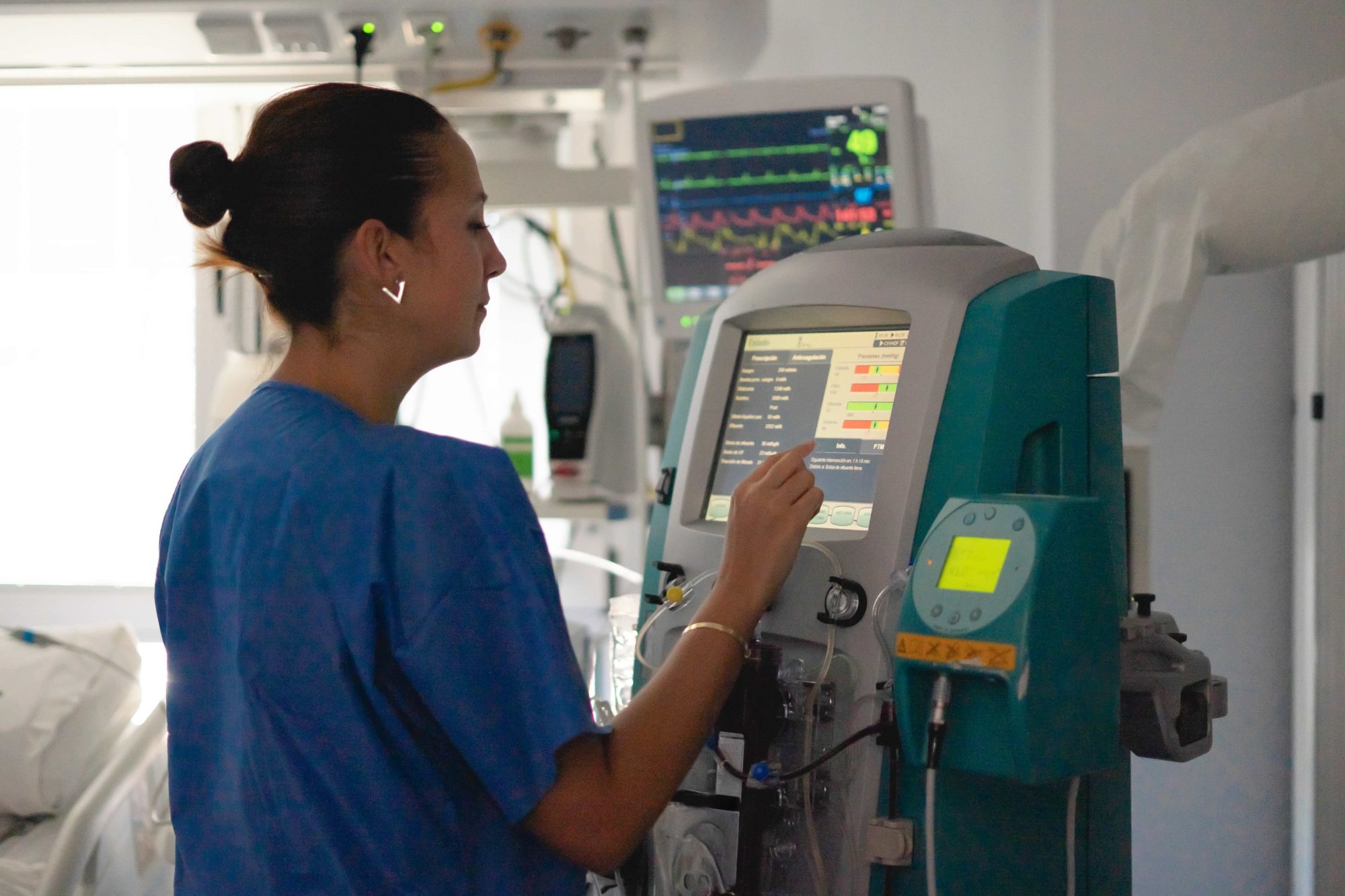
Kidney care is one of the most resource-intensive specialities in healthcare, making it an key area for improvements while continuing to deliver the best outcomes for patients.
Recognising this, the Centre for Sustainable Healthcare is leading a pioneering two-phase initiative to reduce the carbon footprint of kidney care across the NHS while delivering cost savings, conserving water and continuing to deliver high quality care.
Phase one was completed last year in partnership with the UK Kidney Association and Health Innovation North-East and North Cumbria, with support from Greener NHS. It has delivered a host of practical outputs already, from sustainable kidney care toolkits to data sharing between kidney centres across the country to establishing a community of sustainable practice to copy learning.
This year, phase two will focus on embedding these best practices across the system and on capacity-building.
Our advice
In an organisation as large and complex as the NHS, making lasting change comes from collaborating with the people working in different parts of the system on how change actually happens rather than on producing sets of recommendations from outside.
When working in a new field such as sustainable kidney care, all stakeholders and not just frontline staff need to be involved in co-creating solutions: patients and practitioners, NHS leaders, journal editors, researchers and industry.
Change is driven in health systems primarily through people and culture and not through changes to buildings and the NHS estate. Recognising this helps keep healthcare itself at the heart of a greener national health service.